
Understanding Issues in Remote Locations
When living in rural areas, managing waste can pose unique challenges. Many rural homes rely on septic systems to handle wastewater because they are not connected to public sewer lines. These systems are essential for keeping the environment clean and safe. However, installing and maintaining them in remote locations comes with its own set of difficulties. Understanding these challenges helps homeowners make informed decisions about their wastewater management solutions.
Difficult Terrain and Accessibility
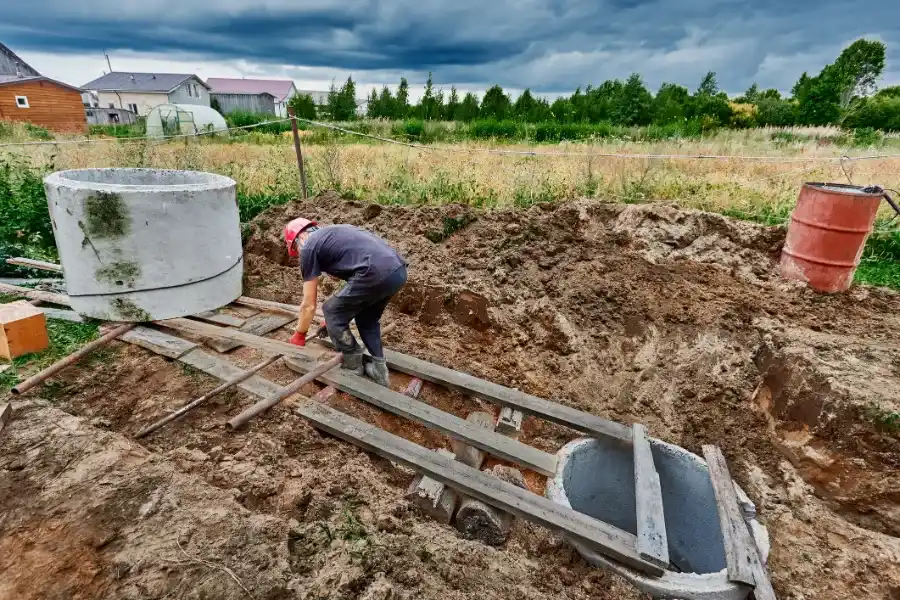
One significant challenge is working with difficult terrain. Many rural areas have uneven land or rocky soil, which makes excavation difficult. This complicates the process of septic installation. Heavy machinery might not be able to navigate tight spaces or steep inclines easily. This increases labor time and costs, making it a crucial factor to consider when planning an installation.
Soil Quality and Its Impact
The quality of the soil greatly affects how well a septic system functions. Poor drainage or clay-heavy soil can lead to slow absorption rates. When conducting a septic installation, it’s vital to assess the soil type. Some soils may require additional treatment or specialized systems to ensure proper function. This often means more expenses and careful planning for homeowners.
Weather Conditions Affecting Installation
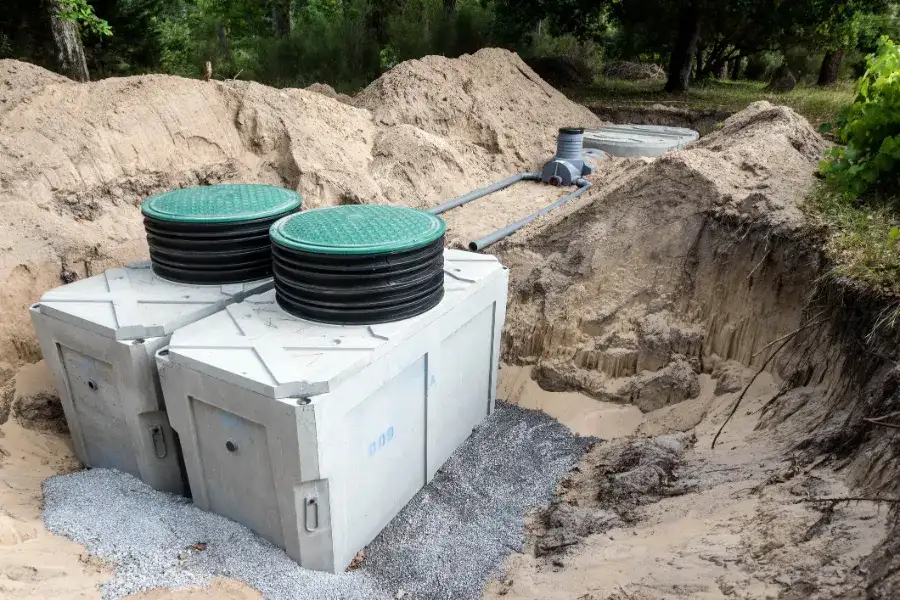
Weather conditions also play a crucial role in the installation process. Rainy seasons or harsh winters can delay projects significantly. Wet soil becomes harder to work with, leading to potential rescheduling of septic installation tasks. Planning around seasonal weather patterns is important to avoid unnecessary delays and complications during the setup.
Regulatory Compliance and Permits
In rural areas, understanding local regulations is key to legal installations. Different regions have specific codes that must be followed to ensure environmental safety. Securing permits involves detailed paperwork and adherence to guidelines, which can be time-consuming. Homeowners should familiarize themselves with these requirements before starting their project to prevent any legal issues.
Cost Considerations for Rural Systems
Rural installations often come with higher costs due to transportation and material delivery logistics. The distance from suppliers can increase transportation fees significantly. Additionally, specialized equipment may be needed for challenging terrains, adding to the overall expense. Budgeting carefully and considering all hidden costs ensures no surprises during the project’s lifecycle.
Utilizing Professional Services
Hiring experienced professionals mitigates many common challenges faced during installations. Professionals offer expertise in navigating regulatory landscapes and choosing the right system based on location-specific factors. They provide valuable insights into maintenance practices that keep systems running smoothly over time.
- Ensure regular inspections for early problem detection
- Select suitable materials that withstand local conditions
- Partner with certified experts familiar with regional regulations
Finding Reliable Support
For those tackling the complexities of rural septic systems, working closely with knowledgeable professionals is essential for success. Located in Everett, WA, we provide comprehensive services tailored to your needs at AA Plumbing LLC. Our team specializes in delivering effective solutions for remote locations, ensuring long-term reliability and compliance. Call us today at (425) 489-0123 for expert advice and assistance.