
Understanding the Role of Soil Composition in Waste Management
Your septic system relies heavily on the type of soil in which it is installed. Different soils have unique characteristics that influence how well they can process wastewater. Knowing these differences can help you optimize your system’s performance and avoid potential issues. The following sections will explore various ways soil impacts septic systems, highlighting key considerations for effective management.
Soil Characteristics and Their Impact
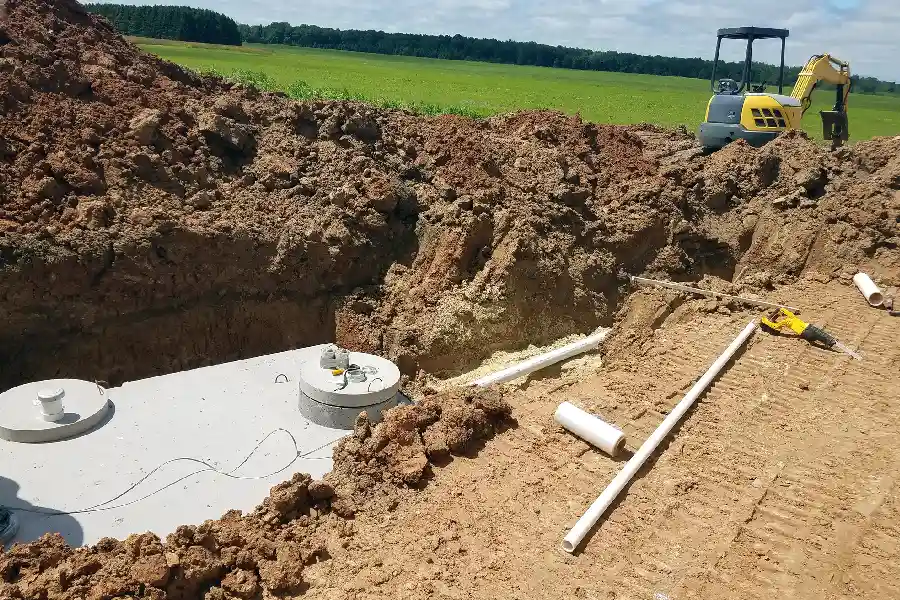
The type of soil in your yard plays a crucial role in determining how effectively your septic system will function. Soils can vary greatly with respect to their composition, texture, and drainage capacity. Clay soils tend to retain water and may struggle with drainage, while sandy soils drain too quickly, potentially leading to groundwater contamination. Loamy soils are often ideal as they balance absorption and drainage efficiently.
Septic Installation Considerations With Various Soil Types
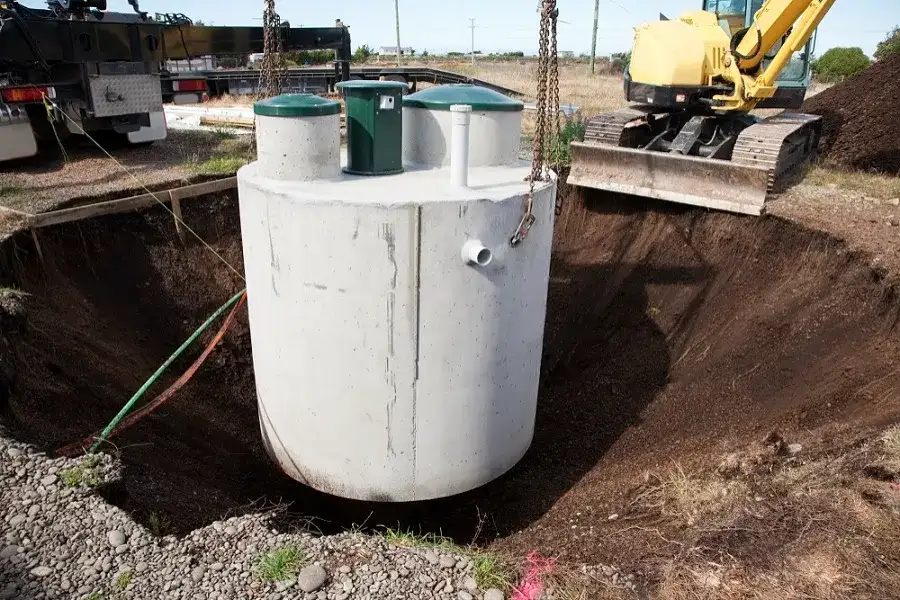
When planning a septic installation, it’s essential to consider the type of soil in the designated area. Installing a system in clay-heavy or rocky soil might require additional measures to ensure proper function. This could include creating drainage fields or using specialized tanks designed to work more effectively with less permeable soils. Always factor in soil testing before any installation to understand what adjustments might be necessary.
Potential Challenges With Inappropriate Soil
If a septic system is installed without considering soil type, several issues can arise. Poorly draining soil can lead to backups and slow percolation, causing system failures or even environmental hazards. Conversely, very porous soils risk allowing untreated waste into groundwater supplies. Such scenarios underline the importance of tailoring your septic solutions to match local geological conditions.
Solutions for Optimal System Performance
To counteract challenges posed by specific soil types, there are several strategies available:
- Implementing engineered drainage systems to enhance flow in dense soils
- Using aeration methods to improve soil absorption rates
- Choosing alternative septic technologies suitable for rapid-drainage areas
Best Practices for Maintenance Based on Soil Type
Regular maintenance tailored to the site’s soil type ensures long-term efficiency. For example, in clay-rich areas, frequent pumping might be necessary to prevent saturation. Sandy soils may benefit from regular inspections of nearby water quality to catch early signs of contamination. Using professional advice based on local soil surveys can provide a maintenance plan that promotes sustainability.
Evaluating Costs Relative to Soil Conditions
The cost of installing and maintaining a septic system varies significantly depending on the underlying soil type. Systems requiring additional engineering solutions like drainage fields will naturally incur higher initial costs. However, investing upfront to address soil limitations can save money over time by reducing repairs and potential environmental penalties.
Final Thoughts on Optimizing Septic System Performance
Knowing how soil type affects septic system performance allows homeowners to make informed decisions about installations and upgrades. By understanding your property’s specific needs, you can better plan for effective wastewater management that aligns with environmental standards. Reach out to AA Plumbing LLC at (425) 489-0123 for expert guidance on managing your septic needs. We proudly serve clients throughout Everett, WA, ensuring optimal system functionality tailored to each unique site.